

In today’s competitive and fast-changing business world, companies constantly look for ways to improve performance, increase profits, and stay ahead of competitors. Whether it is a small startup or a large corporation, every business faces challenges that require expert guidance. This is where business consulting becomes important.
But what is business consulting exactly? Why do businesses hire consultants, and how can consulting services help companies grow?
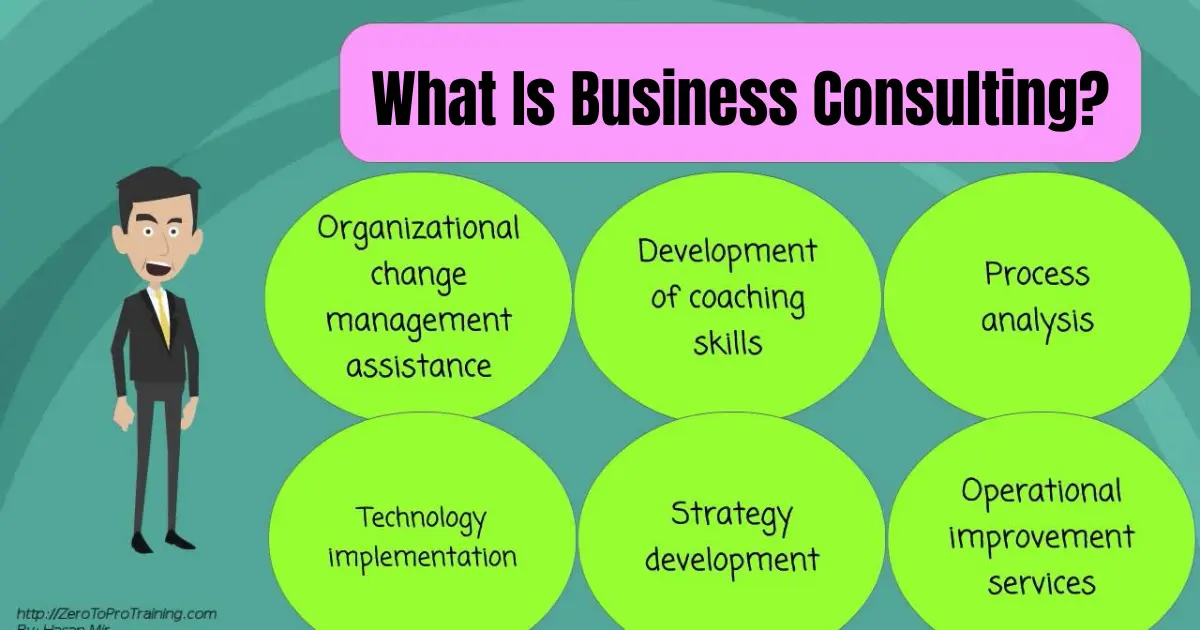
Business consulting is a professional service where experts analyze a company’s operations, identify problems, and provide strategies to improve efficiency, profitability, and long-term success. Consultants work closely with business owners and managers to solve challenges and create better systems for growth.
This article explains business consulting in detail, including its purpose, types, benefits, processes, and why it has become essential for businesses in almost every industry.
Understanding Business Consulting
Business consulting refers to the practice of providing expert advice to organizations to help them improve their performance. Consultants are experienced professionals who specialize in areas such as management, marketing, finance, operations, human resources, technology, and strategy.
A business consultant studies the company’s current situation, identifies weaknesses or opportunities, and recommends solutions that can help achieve business goals.
In simple words, business consultants act as problem-solvers and strategic advisors. They bring fresh ideas, industry knowledge, and practical solutions that businesses may not be able to develop internally.
Companies often hire consultants when they:
- Face declining profits
- Experience operational inefficiencies
- Want to expand into new markets
- Need help with strategy
- Require specialized expertise
- Plan organizational changes
- Need objective outside opinions
Business consulting is not limited to large corporations. Small businesses and startups also use consulting services to improve operations and avoid costly mistakes.
The Main Purpose of Business Consulting
The primary goal of business consulting is to help companies perform better. Consultants help organizations identify problems, improve systems, reduce costs, and increase efficiency.
However, consulting goes beyond simply giving advice. Good consultants also help businesses implement strategies and measure results.
Some key purposes of business consulting include:
Improving Business Performance
Consultants analyze company operations and recommend improvements that increase productivity and profitability.
Solving Specific Problems
Businesses may face issues such as low sales, poor employee performance, or customer dissatisfaction. Consultants provide targeted solutions to solve these problems.
Supporting Business Growth
Consultants help businesses scale operations, enter new markets, and develop long-term growth plans.
Increasing Efficiency
Many companies waste time and money because of outdated processes. Consultants help streamline workflows and improve operational efficiency.
Providing Specialized Expertise
Businesses may not always have in-house experts in every field. Consultants bring professional knowledge and industry experience.
Offering Objective Advice
Internal teams can sometimes become emotionally attached to decisions. Consultants provide unbiased opinions based on facts and analysis.
Types of Business Consulting
Business consulting covers many areas because businesses have different needs. Below are some of the most common types of business consulting services.
Management Consulting
Management consultants help businesses improve overall organizational performance. They focus on leadership, structure, strategy, and operations.
Their responsibilities may include:
- Improving management systems
- Creating growth strategies
- Enhancing organizational structure
- Increasing team productivity
- Managing change within the organization
Management consulting is one of the most popular consulting categories worldwide.
Financial Consulting
Financial consultants help businesses manage money more effectively. They analyze financial performance and recommend strategies to improve profitability and financial stability.
Financial consulting services often include:
- Budget planning
- Financial forecasting
- Cost reduction strategies
- Investment analysis
- Risk management
- Tax planning
Businesses use financial consultants to make better financial decisions and maintain healthy cash flow.
Marketing Consulting
Marketing consultants help companies attract customers and increase sales. They develop marketing strategies based on market research, customer behavior, and industry trends.
Their work may include:
- Brand development
- Digital marketing strategy
- Social media campaigns
- Search engine optimization
- Content marketing
- Advertising strategy
- Customer engagement
Marketing consultants are especially important in today’s digital world where online competition continues to grow.
Human Resources Consulting
Human resources consultants focus on employee-related matters. They help businesses improve hiring, training, employee satisfaction, and workplace culture.
HR consulting services may include:
- Recruitment strategy
- Employee training programs
- Performance management
- Compensation planning
- Workplace policy development
- Conflict resolution
A strong workforce is critical for business success, which is why many companies invest in HR consulting.
IT and Technology Consulting
Technology consultants help businesses adopt and manage technology solutions. As digital transformation becomes more important, IT consulting continues to grow rapidly.
Technology consulting services include:
- Software implementation
- Cybersecurity planning
- Cloud computing solutions
- Data management
- System upgrades
- Digital transformation strategy
Businesses rely on technology consultants to stay competitive and secure in a digital environment.
Operations Consulting
Operations consultants focus on improving daily business activities. They identify inefficiencies and create systems that improve productivity.
Their services may include:
- Supply chain optimization
- Workflow improvement
- Inventory management
- Quality control
- Process automation
Efficient operations reduce costs and improve customer satisfaction.
Strategy Consulting
Strategy consultants help businesses develop long-term plans for success. They work with leadership teams to define goals and create roadmaps for future growth.
Strategy consulting often includes:
- Market analysis
- Competitive analysis
- Business expansion planning
- Product development strategy
- Corporate restructuring
These consultants help businesses make informed strategic decisions.
How Business Consulting Works
Business consulting usually follows a structured process. While every consultant may use different methods, most consulting projects involve several common steps.
Initial Assessment
The consultant first meets with the business owner or management team to understand the company’s goals, challenges, and current situation.
During this phase, consultants gather information through:
- Interviews
- Financial reports
- Employee feedback
- Market research
- Performance analysis
The goal is to identify the root causes of problems.
Problem Identification
After analyzing the business, the consultant identifies key issues affecting performance.
For example, the consultant may discover:
- Poor communication between departments
- Inefficient processes
- Weak marketing strategies
- Financial mismanagement
- Low employee morale
Understanding the real problem is essential before creating solutions.
Strategy Development
Once problems are identified, the consultant develops strategies and recommendations.
These recommendations are usually tailored to the company’s needs and goals. Consultants often create detailed action plans with timelines and measurable objectives.
Implementation
Some consultants only provide recommendations, while others also help implement solutions.
Implementation may involve:
- Training employees
- Introducing new systems
- Changing workflows
- Launching marketing campaigns
- Improving management practices
Consultants often work closely with company teams during this stage.
Monitoring and Evaluation
After implementation, consultants measure results to determine whether the strategies are successful.
They may track:
- Revenue growth
- Productivity improvements
- Customer satisfaction
- Employee performance
- Cost reductions
Continuous monitoring ensures long-term success.
Skills Required to Become a Business Consultant
Successful business consultants need a combination of technical knowledge and interpersonal skills.
Some essential consulting skills include:
Analytical Thinking
Consultants must analyze complex business problems and identify effective solutions.
Communication Skills
Consultants regularly communicate with clients, employees, and executives. Strong communication is essential for presenting ideas clearly.
Problem-Solving Ability
Businesses hire consultants to solve problems. Creative and practical problem-solving skills are critical.
Industry Knowledge
Consultants should understand market trends, competition, and industry-specific challenges.
Leadership Skills
Consultants often guide teams through organizational changes and strategic decisions.
Time Management
Consulting projects often involve strict deadlines and multiple responsibilities.
Benefits of Business Consulting
Hiring a business consultant offers many advantages for companies of all sizes.
Access to Expert Knowledge
Consultants bring specialized expertise that businesses may not have internally.
Fresh Perspective
An outside consultant can identify issues that internal teams may overlook.
Cost Savings
Although consulting services require investment, they can help businesses reduce waste and increase profitability.
Faster Problem Solving
Experienced consultants often solve problems more quickly because they have handled similar situations before.
Better Decision-Making
Consultants use research, analysis, and data to support strategic decisions.
Improved Efficiency
Consultants streamline operations and improve workflows, which boosts productivity.
Support During Change
Businesses going through mergers, restructuring, or expansion often rely on consultants for guidance.
Challenges in Business Consulting
Despite its benefits, business consulting also comes with challenges.
Resistance to Change
Employees may resist new systems or processes introduced by consultants.
High Costs
Consulting services can be expensive, especially for small businesses.
Implementation Difficulties
Even good strategies can fail if businesses do not implement them properly.
Dependency on Consultants
Some businesses become too dependent on external consultants instead of developing internal capabilities.
Communication Issues
Poor communication between consultants and company teams can create misunderstandings.
Successful consulting requires collaboration, trust, and clear goals.
Why Businesses Need Consulting More Than Ever
Modern businesses operate in a rapidly changing environment. Technology, customer expectations, economic uncertainty, and global competition create constant challenges.
Business consulting has become increasingly important because companies need expert guidance to adapt and grow.
Several trends are driving demand for consulting services:
Digital Transformation
Businesses must adopt new technologies to remain competitive. Consultants help companies transition smoothly into digital operations.
Global Competition
Companies now compete on a global scale. Consultants help businesses develop strategies to stand out in crowded markets.
Economic Uncertainty
Changing economic conditions make strategic planning more important than ever.
Data-Driven Decision Making
Businesses rely on analytics and data to make smarter decisions. Consultants help interpret and apply business data effectively.
Remote Work and Workforce Changes
Modern workplaces continue to evolve. Consultants help companies manage organizational and cultural changes.
Business Consulting for Small Businesses
Many people assume consulting is only for large corporations, but small businesses can benefit greatly from consulting services.
Small business owners often handle multiple responsibilities and may lack expertise in areas such as finance, marketing, or operations.
Consultants can help small businesses by:
- Creating business plans
- Improving cash flow
- Building marketing strategies
- Increasing customer retention
- Streamlining operations
- Preparing for expansion
Even short-term consulting projects can significantly improve small business performance.
The Difference Between Coaching and Consulting
People sometimes confuse business consulting with business coaching, but they are different services.
A business consultant focuses on analyzing problems and providing expert solutions. Consultants often take an active role in strategy development and implementation.
A business coach, on the other hand, focuses more on personal development and leadership improvement. Coaches guide business owners to discover solutions themselves rather than directly providing answers.
In simple terms:
- Consultants solve business problems.
- Coaches develop business leaders.
Some professionals offer both services depending on client needs.
How to Choose the Right Business Consultant
Hiring the right consultant is important for achieving successful results.
Businesses should consider several factors when selecting a consultant.
Experience
Look for consultants with proven experience in your industry or business area.
Communication Style
A good consultant should communicate clearly and work collaboratively with your team.
Problem-Solving Approach
Choose someone who understands your challenges and offers practical solutions.
References and Reviews
Client testimonials and case studies can provide insight into a consultant’s performance.
Clear Expectations
Before hiring a consultant, businesses should define goals, timelines, and deliverables.
A strong consultant-client relationship is built on trust and transparency.
The Future of Business Consulting
The business consulting industry continues to evolve as technology and market conditions change.
Several trends are shaping the future of consulting.
Artificial Intelligence and Automation
Consultants increasingly use AI tools and automation to analyze data and improve decision-making.
Virtual Consulting
Remote consulting has become more common, allowing consultants to work with clients worldwide.
Specialized Consulting
Businesses increasingly seek niche experts with deep industry knowledge.
Sustainability Consulting
Companies now focus more on environmental and social responsibility. Sustainability consulting is becoming a growing field.
Data Analytics
Consultants rely heavily on analytics to develop more accurate strategies and recommendations.
The future of consulting will likely combine human expertise with advanced technology.
Common Myths About Business Consulting
There are several misconceptions about consulting that prevent some businesses from seeking help.
“Consultants Only Work for Large Companies”
In reality, businesses of all sizes use consulting services.
“Consulting Is Too Expensive”
While consulting has costs, the long-term benefits often outweigh the investment.
“Consultants Don’t Understand My Business”
Experienced consultants spend significant time learning about each client’s business and industry.
“Consultants Only Give Advice”
Many consultants actively help implement solutions and monitor results.
Understanding the true value of consulting helps businesses make informed decisions.
Final Thoughts
So, what is business consulting?
Business consulting is a professional service that helps organizations solve problems, improve performance, and achieve long-term goals. Consultants provide expert guidance in areas such as management, finance, marketing, technology, operations, and strategy.
In today’s competitive business environment, consulting has become an essential resource for companies seeking growth, efficiency, and innovation. Whether a business needs help improving operations, increasing profitability, adopting new technology, or planning future expansion, consultants provide the expertise and support needed to move forward confidently.
Business consulting is not just about fixing problems. It is about helping businesses unlock their full potential.
As industries continue to evolve and competition increases, the demand for skilled business consultants will likely continue growing. Companies that embrace expert guidance and strategic improvement are often better positioned for long-term success.
For businesses of every size, consulting can provide valuable insights, practical solutions, and a clear path toward sustainable growth.
